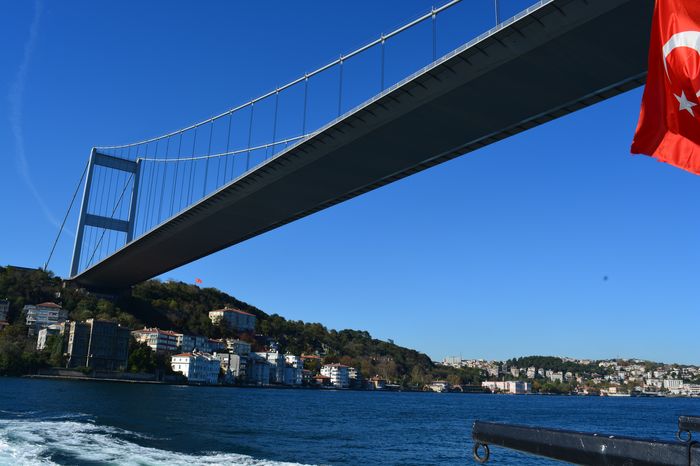
No other country has as many important capital cities along the River Danube as Hungary. If we follow the river from Ulm in Germany to Belgrade in the south, we can count ten major and well-known cities along its course. Among these, no fewer than four belong to Hungary. These are Pressburg (today known as Bratislava), Esztergom (formerly Strigonium), Buda, and Belgrade.
Each of these cities played an important role in Hungarian history. However, Buda, especially when considered together with Pest on the opposite side of the river, appears to be the largest of them all. It may even be the largest city on the entire course of the Danube. The river gave these cities strong defensive positions, easy transport routes, and rich trade opportunities. Because of this, the Danube became the backbone of political and economic life in Hungary Abundance of Wild Animals and Birds.
Hungary’s Rivers and Their Rich Fish Life
Just as Hungary excels in the number and importance of its rivers, it is equally rich in fish. The country’s waters are famous for their abundance and variety. Among all rivers, the Tisza, also called the Tibiscus or Teisse, is considered the most fertile river in Europe, and possibly in the entire world.
There is a common saying among the local people that the Tisza consists of two parts water and one part fish. This saying reflects the extraordinary quantity of fish found in the river. Fishing has long been an important activity along its banks and has supported many communities.
The River Bodrog and Its Abundance
The River Bodrog, which flows into the Tisza not far from Tokaj, is also extremely rich in fish. During the summer, when the water level is low, people say that the river smells of fish because of their great number. This is not a small river, but a wide and deep one Sightseeing Tour Sofia.
According to a military commander who carefully measured it while crossing, the Bodrog was about thirty fathoms wide and eight and a half fathoms deep. Because of its shape and depth, however, it was difficult to fish in this river using nets.
Natural Causes of River Fertility
Many people believe that the great fertility of these rivers comes from natural salt deposits. The waters flow over and through underground salt mines and carry saline elements with them. These minerals may increase the richness of the water and support the growth of fish. This explanation seems reasonable and worth consideration.
Fish of the Danube
The Danube itself contains a wide variety of excellent fish. Among them are trout and perch, as well as very large and delicious catfish, which are better than any I have seen elsewhere. There are also many other species, including the Coppen, a type of chub, and the Bischurne, which resembles a lamprey.
Another common fish is the Grundel, a spotted species with six barbels, two short and four longer ones. There is also a very large fish much bigger than a pike, known as the Scheyden, or Silurus glanis. This fish is one of the largest freshwater species in Europe.
The Famous Huso Fish
Above all other fish, the Danube is famous for the Huso, locally called the Hausen. Some of these fish grow up to twenty feet long. They are highly valued as food and taste somewhat like sturgeon. These giant fish appear in great numbers during certain seasons.
Fishing Centers Along the Danube
There are many fishing stations and storage houses along the Danube. The highest of these is located above Komárom on Schütt Island. However, the greatest fishing activity takes place near Kilia in Wallachia. There, the fish are salted and sent to other regions. Most of these large fish come from the Black Sea, once known as the Euxine Sea.
The River Danube and its tributaries gave Hungary great wealth, food, and strong cities. Their rich waters supported fishing, trade, and settlement, making them central to the country’s history and daily life.